What is Creatine and Does It Really Work?
Benefits, proper usage, the best form of creatine, possible side effects, and common myths about creatine in one article.
Creatine is one of the most researched substances among sports supplements. Nevertheless, misconceptions such as it damaging kidneys, causing hair loss, dehydrating the body, or being a steroid are still widespread.
Yes, creatine really works. It can be beneficial, especially in weight training, short and high-intensity movements, strength gains, and long-term training adaptations. The strongest scientific evidence applies to creatine monohydrate.
What is Creatine?
Creatine is a substance naturally produced in the human body and primarily stored in skeletal muscles. The liver, kidneys, and pancreas can synthesize creatine from amino acids such as arginine, glycine, and methionine. Creatine is also naturally present in animal foods like red meat and fish.
Most of the creatine in the body is stored in muscles as free creatine or phosphocreatine. Phosphocreatine helps in the faster regeneration of the energy molecule called ATP during movements requiring immediate and high power.
Creatine does not magically give new strength to muscles. It helps the muscle's energy system to "recharge" faster during high-intensity movements.
Does Creatine Really Work?
Yes. The effectiveness of creatine is supported by numerous controlled studies and systematic reviews. However, the outcome is not the same for everyone. The magnitude of the effect depends on the training program, nutrition, initial creatine levels in muscles, sleep, and genetic differences.
Strength Training
Can support higher work volume in bench press, squat, deadlift, and other weightlifting movements.
Explosive Performance
Can be beneficial in sprints, jumps, throws, and short-term high-intensity movements.
Repeated Sets
Can help maintain better performance and enable additional repetitions as sets progress.
Long-term Development
By allowing for higher quality training, it can indirectly support muscle and strength gains.
A meta-analysis published in 2024 reported that individuals under 50 years old who performed resistance training with creatine gained, on average, more lean body mass compared to those who only performed resistance training. It is important to note that lean mass measurements here may include body water in addition to muscle.
Scientific reviews investigating hypertrophy indicators such as muscle thickness and muscle fiber size also suggest that creatine can provide a small but meaningful advantage when added to resistance training.
Main Benefits of Creatine
1. Can support strength and explosive power
Creatine helps in the faster restoration of ATP by increasing phosphocreatine reserves in muscles. For this reason, it can create an advantage in short-term and powerful movements, especially in repeated sets.
2. Can contribute to muscle growth
Creatine is not a hormone and does not directly enlarge muscles. Its main advantage is creating the opportunity for more repetitions, higher total work volume, and higher quality training over time.
3. Can increase resistance to fatigue
It can help maintain better performance, especially in consecutive sets performed with short breaks. This effect is more noticeable in weight training and interval-type sports.
4. Can support recovery
Some research indicates that creatine can help restore strength after heavy training and maintain performance between training sessions. However, the effect on muscle soreness and muscle damage indicators is not consistent across all studies.
5. Can be beneficial for older individuals
When used in conjunction with resistance training, it can support muscle mass and strength gains in older individuals. However, creatine never replaces regular strength training.
6. Its effect may be more noticeable in vegetarians and vegans
Initial muscle creatine levels may be lower in people who do not consume meat and fish. Therefore, vegetarians and vegans may react more strongly to creatine supplementation in some cases.
7. Has potential benefits for brain and cognitive performance
Creatine also plays a role in energy metabolism in the brain. Some studies have observed positive effects on memory, attention, and information processing speed. However, the evidence in this area is not as strong as the evidence related to athletic performance and strength gains.
How should Creatine be used?
For most healthy adults, the simplest and most practical method is to use 3–5 grams of creatine monohydrate every day.
Creatine should be taken not only on training days but also on rest days. The goal is not to create an immediate stimulating effect, but to continuously keep creatine reserves in the muscles high.
Is a loading phase necessary?
No. Loading is not mandatory. It simply helps to fill muscle creatine stores faster.
| Method of use | Dosage | How long until it takes effect? | Who is it suitable for? |
|---|---|---|---|
| Use without loading | 3–5 grams daily | Approximately 3–4 weeks | More comfortable for individuals with sensitive stomachs and those not in a hurry. |
| Use with loading | 20 grams daily for 5–7 days, then 3–5 grams | Approximately 5–7 days | For those who want to fill muscle creatine stores faster. |
Do not take 20 grams daily in a single dose. To reduce stomach discomfort, it is more appropriate to divide it into 4 doses of 5 grams throughout the day.
At what time should creatine be taken?
Creatine does not take effect immediately upon ingestion like caffeine. Therefore, the most important factor is not the time, but consistent daily use.
You can take it before training, after training, with breakfast, or at any time during the day that you won't forget. Existing evidence does not show a significant difference between taking it before or after training.
What can it be mixed with?
Creatine can be mixed with water, milk, fruit juice, or a protein drink. After mixing it with liquid, it is more practical to drink it shortly after rather than storing it for a long time.
How much water should be drunk?
There is no single mandatory amount of water for everyone using creatine. Daily needs depend on body weight, air temperature, sweating, and exercise duration. The goal is to stay hydrated, not to drink excessive amounts of water.
For how many months can creatine be used?
For healthy adults using 3–5 grams of creatine monohydrate daily, there is no scientific rule such as "maximum 2 months" or "a break must be taken after 3 months."
In studies, the use of standard doses for months and longer periods generally appears safe. Cycles such as using creatine for 8 weeks and stopping for 4 weeks are not mandatory.
A healthy adult can use creatine at a standard dose continuously for a long period. However, if a new health problem arises, changes are observed in analyses, or regular medication is being used, a doctor should be consulted.
It is beneficial to inform your doctor that you are using creatine when giving a blood test. This is because creatine supplementation can slightly increase serum creatinine levels in some people, and this does not always mean kidney damage.
Creatine Monohydrate and Other Creatine Forms
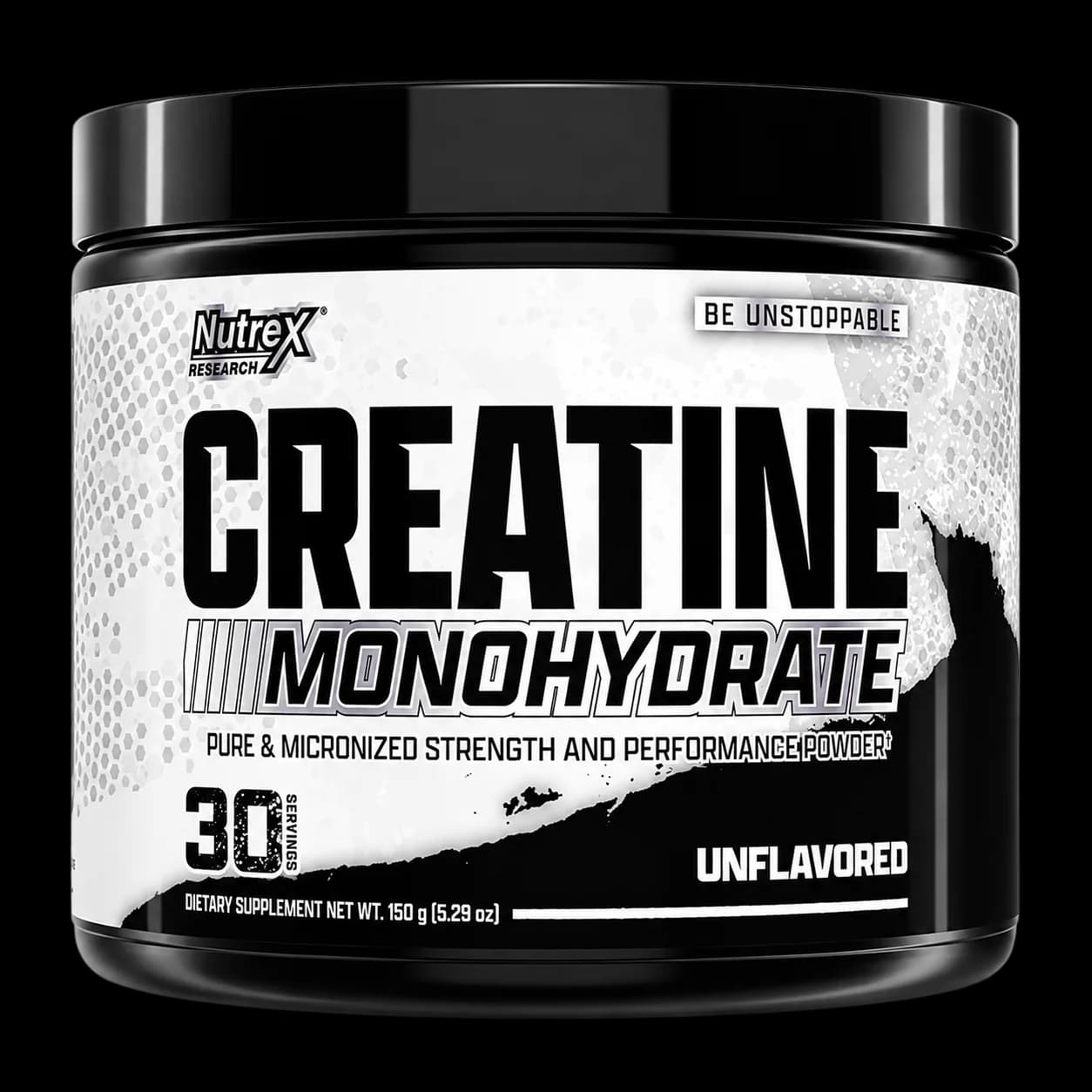
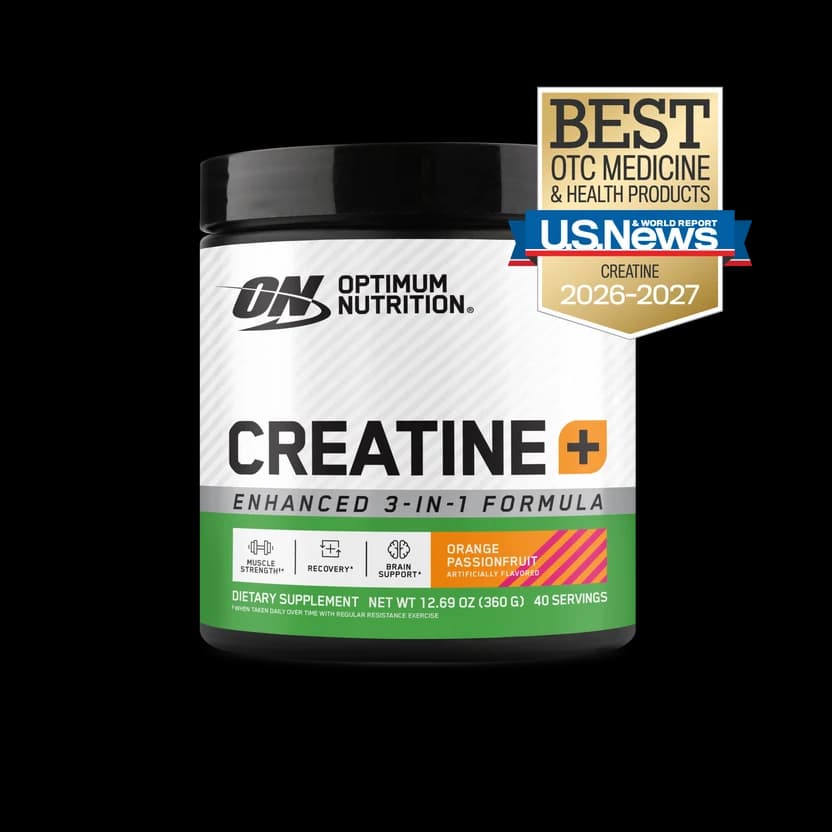
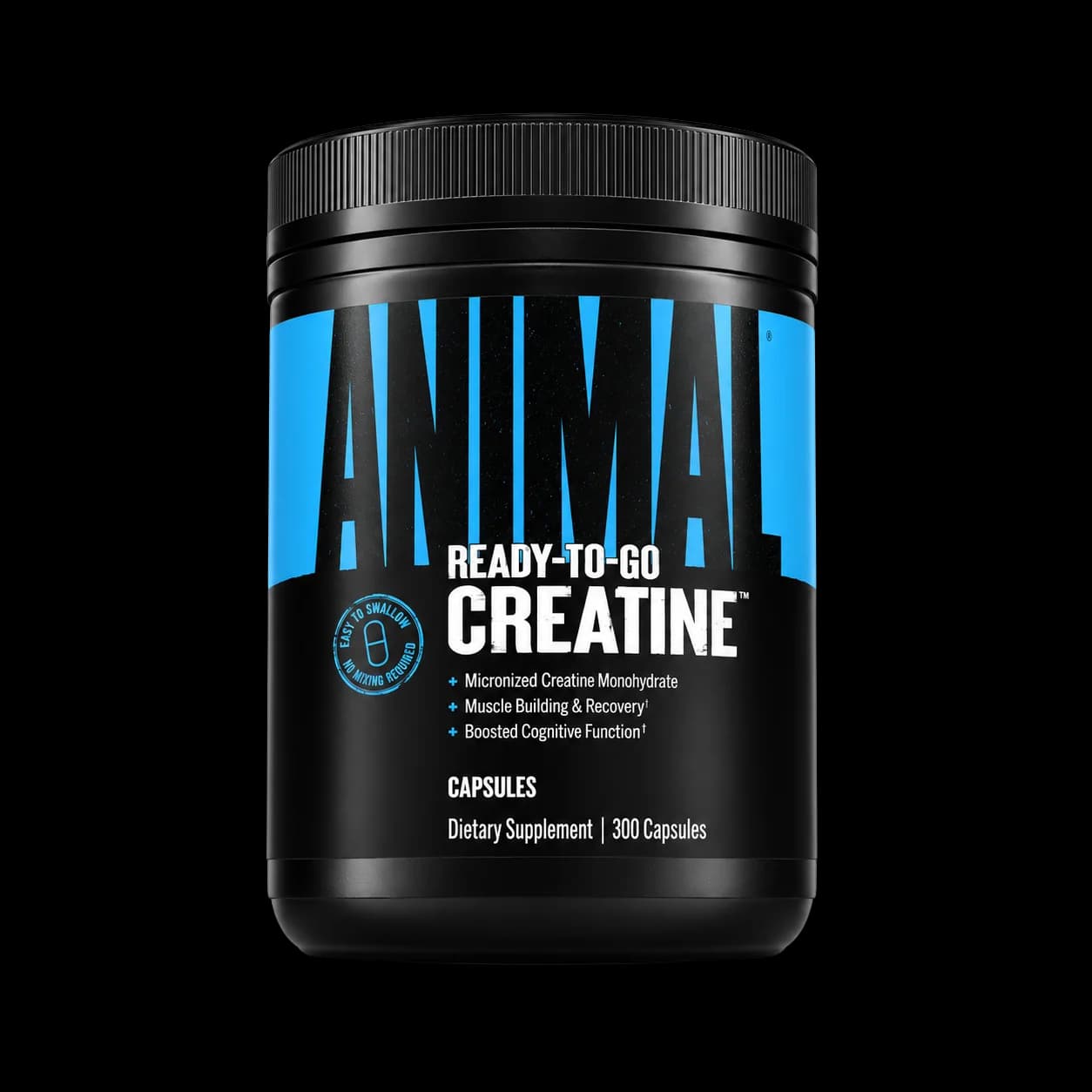
Numerous forms of creatine are sold on the market, such as creatine HCl, buffered creatine, creatine ethyl ester, creatine nitrate, creatine citrate, creatine malate, and liquid creatine.
Although these products are presented with claims such as faster absorption, less water retention, or stronger effects, existing research does not consistently show them to be more effective than creatine monohydrate.
| Creatine form | Scientific evidence | Claim of superiority | Practical evaluation |
|---|---|---|---|
| Creatine monohydrate | Strongest evidence | Effectiveness, safety, and reasonable price | The most logical choice for most users. |
| Creatine HCl | Limited evidence | Better solubility and lower dose | Superiority over monohydrate has not been definitively proven. |
| Buffered creatine | Limited evidence | More stable in the stomach | Has not appeared superior to monohydrate in controlled studies. |
| Creatine ethyl ester | Weak evidence | Better absorption | Has not been shown to be superior to monohydrate. |
| Liquid creatine | Weak evidence | Ready and convenient to use | Stability problems may arise when left in liquid for a long time. |
Why creatine monohydrate?
- It is the most researched form of creatine.
- Its effectiveness is supported by numerous controlled studies.
- It is the form with the most extensive long-term safety data.
- It is usually more affordably priced than alternative forms.
- It is well-tolerated by most people.
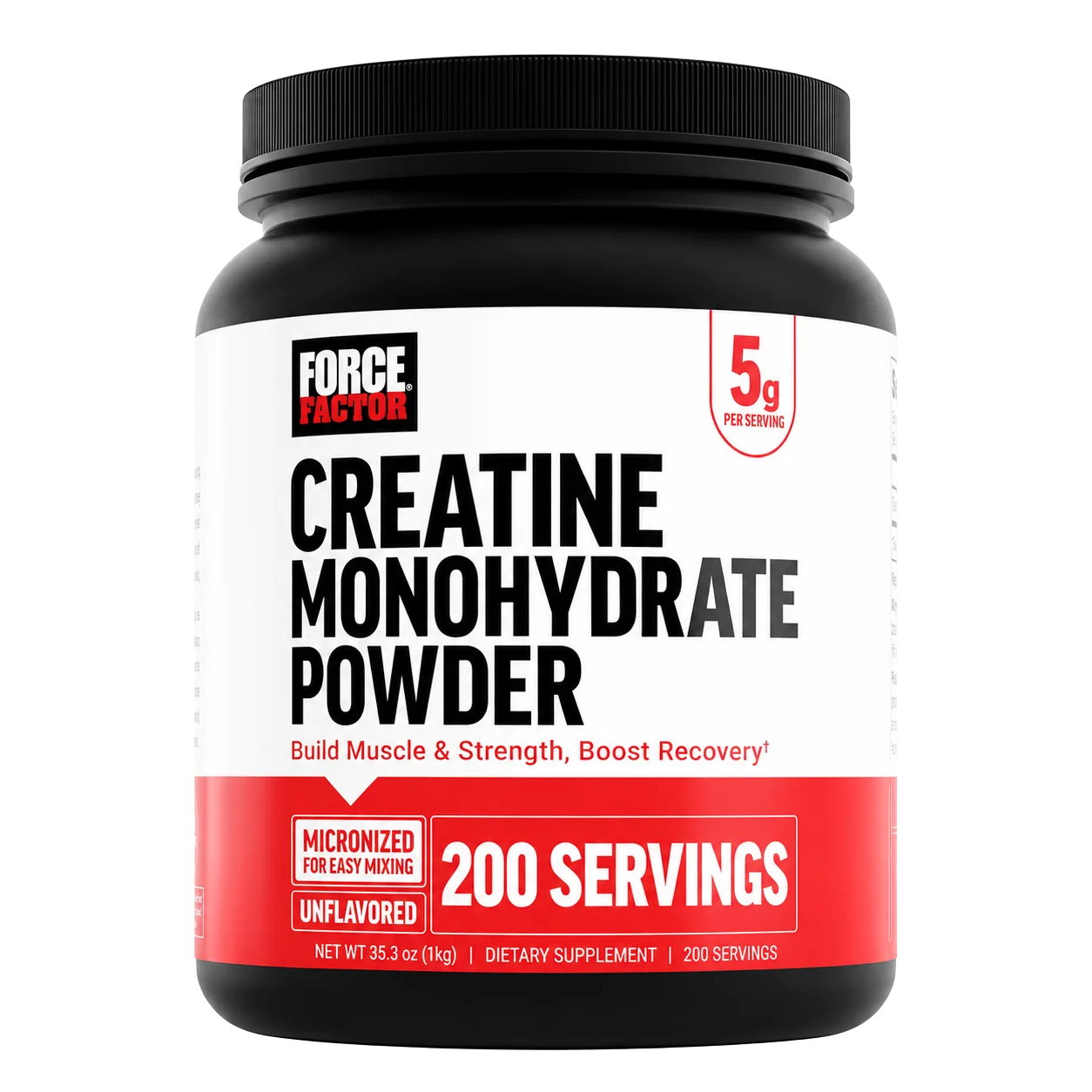
“Micronized creatine” indicates that the creatine particles have been ground to a smaller size. This can help the product mix more easily in water. However, the substance is still creatine monohydrate and does not automatically mean it is more potent.
Most Common Misconceptions About Creatine
Does creatine damage kidneys?
There is no strong evidence to suggest that creatine, at recommended doses in healthy individuals, causes kidney damage. Serum creatinine levels may slightly increase in individuals using creatine, but this does not always indicate impaired kidney function. Individuals with kidney disease should not use it without consulting a doctor.
Does creatine cause hair loss?
Existing scientific evidence does not confirm that creatine causes hair loss. A randomized controlled trial conducted in 2025 found no significant difference in DHT and hair growth indicators between creatine and placebo groups.
Does creatine make you gain weight or fat?
Creatine is not fat and does not directly cause fat gain. Weight gain in the first days or weeks is mainly due to an increase in water content within muscle cells.
Does creatine bloat the body?
Body weight and intramuscular water can increase, especially during the loading phase. This is often perceived as muscles appearing fuller. If discomfort arises, it is possible to use 3–5 grams daily without a loading phase.
Does creatine cause dehydration and muscle cramps?
Controlled studies do not confirm that creatine increases the risk of dehydration, heat injury, and cramps in healthy individuals. Nevertheless, anyone engaging in intense exercise should pay attention to normal water and electrolyte balance.
Is creatine considered a steroid?
No. Creatine is not an anabolic steroid. It does not alter the hormone system like steroids and is a naturally occurring energy metabolism substance in the body.
Is creatine only for men?
No. Women can also benefit from creatine. There are studies showing that it can be beneficial for women who do strength training, older women, and vegetarian women.
Is it absolutely necessary to take a break when using creatine?
When used at a standard dose, a mandatory break or specific cycling system is not required. When creatine is discontinued, creatine levels in the muscles gradually return to their previous levels.
Possible Side Effects
At the recommended dose, creatine is well-tolerated by most people. The most common discomforts include:
- Temporary increase in body weight
- Feeling of fullness in the stomach
- Nausea
- Diarrhea or abdominal discomfort
These problems are usually associated with taking a high amount in a single dose. Individuals with sensitive stomachs can take creatine with food, divide the dose, or forgo the loading phase.
Can Creatine and Caffeine be Used Together?
It has not been proven that creatine and caffeine completely negate each other's effects. Research results are mixed. Many people use creatine at their daily scheduled time and caffeine before training when needed.
If gastrointestinal discomfort occurs, it may be more comfortable not to take creatine and high-dose caffeine at the same time.
Who can use Creatine?
- Healthy adults who regularly engage in weight training
- Individuals aiming for strength and muscle gain
- Sprint and explosive power athletes
- Those involved in football, basketball, and similar team sports
- Vegetarians and vegans
- Older individuals engaging in resistance training
- Those who want to maintain their performance in high-intensity workouts
Creatine is not a mandatory supplement. It will not work miracles without a well-designed training program, adequate protein, balanced nutrition, and sleep.
Who should not use it without medical advice?
- Individuals with kidney disease or low kidney function
- Those using medications that may affect the kidneys
- Those with uncontrolled high blood pressure or severe diabetic complications
- Pregnant and breastfeeding women
- Individuals under 18 years of age
- Those with severe liver or metabolic disease
- Those with unexplained high creatinine levels
While data on adolescent athletes is promising, long-term controlled studies are fewer compared to adults. Use in this age group should be evaluated under the supervision of family, a doctor, and a sports nutrition specialist.
Most Practical Creatine Protocol
- Product: Creatine monohydrate
- Daily dose: 3–5 grams
- Frequency of use: Every day
- Rest days: Continue use
- Time of intake: Any time of day
- Loading: Not mandatory
- Duration of use: Can be used long-term without mandatory breaks
- Most important factor: Consistency
Conclusion: Is Creatine Worth Buying?
For healthy adults aiming for strength, muscle growth, and high-intensity exercise performance, creatine monohydrate is one of the most logical sports supplements in terms of value and scientific evidence.
- Creatine really works.
- The strongest scientific evidence applies to creatine monohydrate.
- 3–5 grams per day is sufficient for most people.
- A loading phase is not mandatory.
- It should be used consistently on training and rest days.
- Recommended doses have not been shown to cause kidney damage in healthy individuals.
- The claim of hair loss is not confirmed by existing direct research.
- Creatine does not cause fat gain, but it can cause a temporary increase in weight due to intramuscular water.
- There is no mandatory usage cycle or break system.
Creatine is not a miracle powder. But when added to proper training and nutrition, it is a performance tool that can yield small, reliable, and valuable results over time.
Main Scientific Sources
- Kreider RB və b. International Society of Sports Nutrition position stand: safety and efficacy of creatine supplementation in exercise, sport, and medicine. PubMed
- Antonio J və b. Common questions and misconceptions about creatine supplementation. PubMed
- Desai I və b. The effect of creatine supplementation on resistance training-based changes to body composition. PubMed
- Burke R və b. Creatine supplementation combined with resistance training and skeletal muscle hypertrophy. PubMed
- Wang Z və b. Effects of creatine supplementation and resistance training on muscle strength. PubMed
- Kabiri Naeini E və b. Effect of creatine supplementation on kidney function: a systematic review and meta-analysis. PubMed
- Lak M və b. Does creatine cause hair loss? A 12-week randomized controlled trial. PubMed
- Hultman E və b. Muscle creatine loading in men. PubMed
- Kreider RB və b. Bioavailability, efficacy, safety, and regulatory status of creatine and related compounds. PubMed
- Fazio C və b. Efficacy of alternative forms of creatine supplementation. PubMed
Medical Disclaimer: This article is for general informational purposes only and is not a substitute for diagnosis, treatment, or personalized medical advice. Individuals with medical conditions, those taking regular medication, pregnant or breastfeeding women should consult a doctor before using any supplement.